does dka cause fever Ketoacidosis diabetic coma ketotic hhs pathophysiology hyperglycemia acidosis metabolism
Diabetic ketoacidosis (DKA) and hyperosmolar non-ketotic coma (HONK) are two serious medical conditions that can affect people with diabetes. These conditions arise when the body does not have enough insulin to convert glucose into energy, leading to a buildup of ketones in the blood. While both DKA and HONK are life-threatening emergencies, they differ in their presentation, management, and outcomes. DKA is a complication of type 1 diabetes and, less commonly, type 2 diabetes. It typically develops over a few hours to a few days and is characterized by high blood glucose levels (usually >250 mg/dL), ketonemia (presence of ketones in the blood), and metabolic acidosis (low blood pH). Patients with DKA often experience symptoms such as excessive thirst, frequent urination, abdominal pain, nausea, vomiting, and rapid breathing. If left untreated, DKA can lead to cerebral edema (swelling of the brain), cardiac arrhythmias (irregular heartbeats), and even death. The management of DKA involves aggressive fluid and electrolyte replacement, insulin therapy, and treatment of any underlying precipitating factors (such as infection, trauma, or surgery). Patients with DKA are typically admitted to the hospital for close monitoring and intensive care. While most patients with DKA recover completely with appropriate therapy, some may experience complications such as cerebral edema, acute respiratory distress syndrome (ARDS), or acute kidney injury (AKI). HONK, on the other hand, is a complication of type 2 diabetes and occurs less frequently than DKA. It develops gradually over days to weeks and is characterized by very high blood glucose levels (>600 mg/dL), an absence of ketones in the blood, and serum hyperosmolality (high concentration of osmotically active particles). Patients with HONK often present with symptoms of dehydration, altered mental status, seizures, and even coma. If left untreated, HONK can cause irreversible damage to the central nervous system and other vital organs. The management of HONK involves aggressive fluid replacement, electrolyte correction, and insulin therapy. Patients with HONK are also admitted to the hospital for close monitoring and intensive care. While most patients with HONK recover completely with appropriate therapy, some may experience complications such as thromboembolism (blood clot) or infections. In conclusion, DKA and HONK are two serious medical conditions that require prompt recognition and management. While they share common features such as high blood glucose levels, they differ in their presentation, management, and outcomes. As healthcare professionals, it is important that we educate our patients with diabetes about the signs and symptoms of these conditions and empower them to seek medical attention promptly if they develop any concerning symptoms. With appropriate therapy and close monitoring, most patients with DKA or HONK can recover completely and avoid serious complications.
If you are searching about Why Does Dka Cause Weight Loss | DiabetesTalk.Net you’ve visit to the right page. We have 5 Pictures about Why Does Dka Cause Weight Loss | DiabetesTalk.Net like Diabetic Ketoacidosis | OnCallmeters.com, Downloadables - DANII Foundation and also Diabetic Ketoacidosis and Hypersmolar Non-ketotic coma - Endocrinology. Here it is:
Why Does Dka Cause Weight Loss | DiabetesTalk.Net
 diabetestalk.netdka sglt2 euglycemic inhibitors ketoacidosis sodium induced glucose wiley onlinelibrary diabetes diabetestalk
Downloadables - DANII Foundation
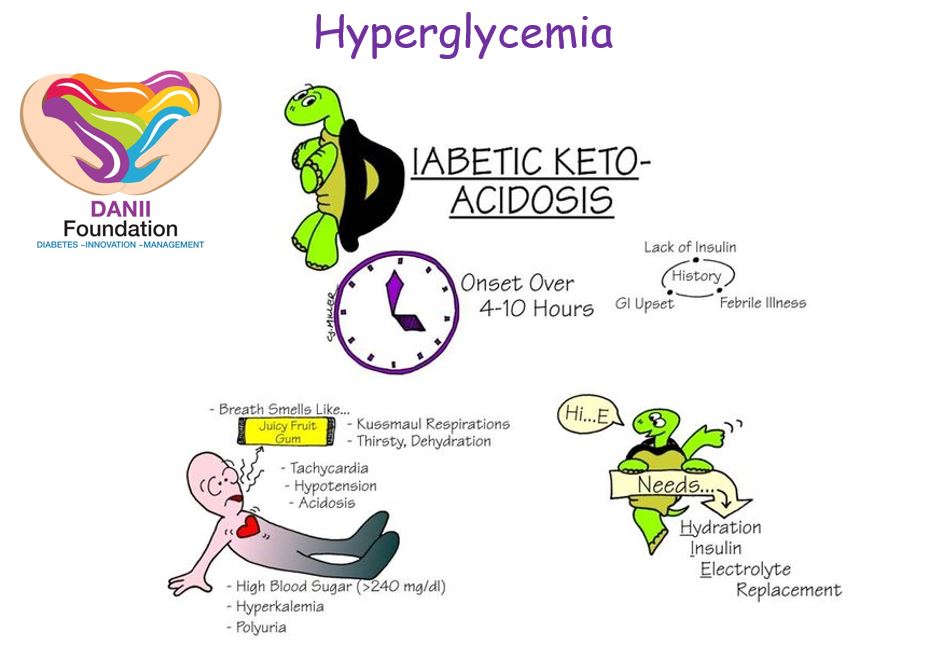 danii.org.auketoacidosis dka diabetic hyperglycemia ketones lead coma death danii condition hypo cycle au serious passing downloadables
Diabetic Ketoacidosis And Hypersmolar Non-ketotic Coma - Endocrinology
 www.endocrinologyadvisor.comketoacidosis diabetic coma ketotic hhs pathophysiology hyperglycemia acidosis metabolism
Diabetic Ketoacidosis | OnCallmeters.com
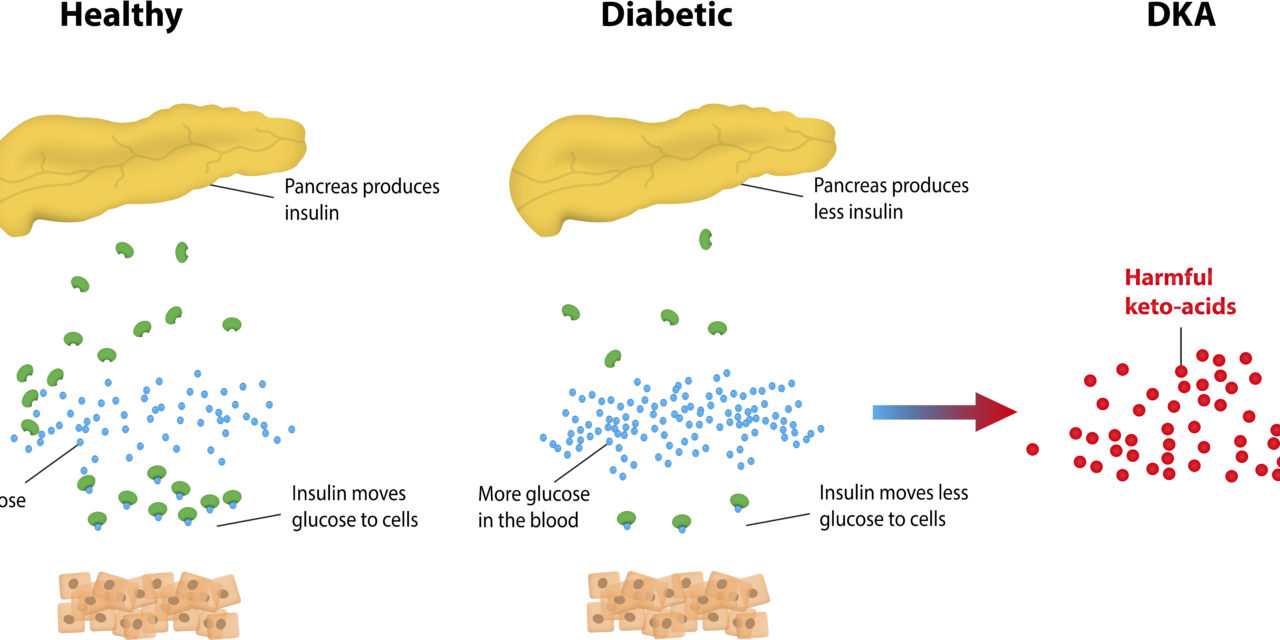 www.oncallmeters.comketoacidosis dka
SPONSORS: VCU Health CE
 thecurbsiders.comDiabetic ketoacidosis and hypersmolar non-ketotic coma. Diabetic ketoacidosis. Ketoacidosis dka diabetic hyperglycemia ketones lead coma death danii condition hypo cycle au serious passing downloadables